
Seawater Desalination & RO Systems
Discover Chunke’s complete range of SWRO plants, seawater desalination system, pretreatment, post-treatment and energy-saving technologies.
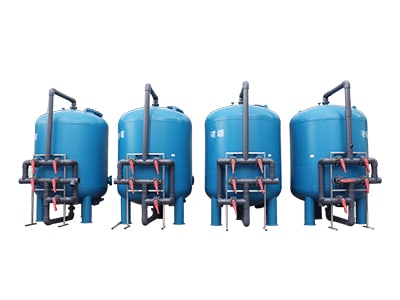
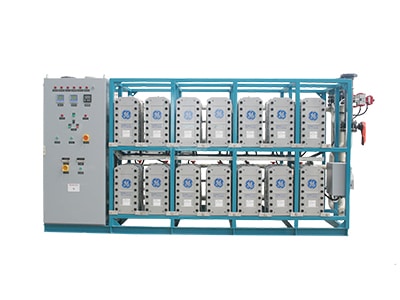
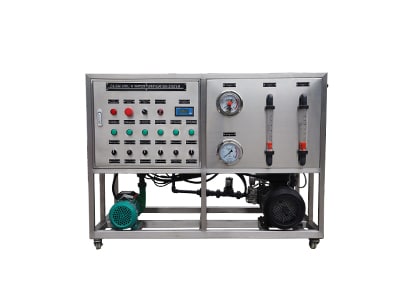
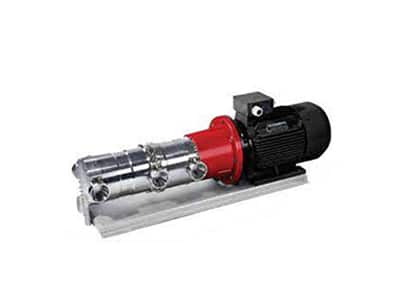
Seawater Desalination: Transforming Saltwater into Fresh Water
As the world’s population continues to grow, the demand for fresh water is becoming increasingly pressing. With the global water crisis worsening, innovative solutions are needed to address the issue. One such solution is desalination, a process that removes salt and other minerals from seawater, making it drinkable.
At Chunke Water Treatment, we specialize in designing and manufacturing advanced water treatment systems, including desalination plants. Our technology enables us to remove salt and other impurities from seawater, producing fresh water that meets international drinking water standards.
Key Takeaways
- Desalination is a vital process for providing fresh water in water-scarce regions.
- Our advanced technology ensures efficient and effective removal of salt and other impurities.
- Sustainable water management is crucial for meeting the world’s growing water needs.
With our expertise in desalination, we are committed to providing clean drinking water to communities worldwide. By leveraging the latest advancements in technology, we can help alleviate the global water crisis and ensure a more sustainable future.
The Global Water Crisis and the Need for Desalination
With the global water demand projected to exceed supply by 40% by 2030, the need for alternative water sources has never been more pressing. As we face this growing crisis, it’s essential to understand the scope of the problem and the potential solutions available to us.
Understanding Water Scarcity Worldwide
Water scarcity affects millions of people globally, with significant implications for food security, economic stability, and human well-being. The issue is particularly acute in arid regions where traditional freshwater sources are limited or unreliable. The consistent availability of seawater makes it a reliable source for desalination facilities, providing water security even during extended drought periods.
The Potential of Earth's Saline Water Resources
Earth’s oceans contain approximately 97% of all water on the planet, representing an almost limitless potential source of freshwater through desalination. Our saline water resources are particularly valuable because they’re not subject to the same seasonal variations and drought impacts as traditional freshwater sources. A comparison of traditional freshwater sources and saline water resources is shown in the table below:
As we continue to develop and refine desalination technologies, we can unlock the vast potential of our saline water resources to meet the world’s growing water needs.
What is Seawater Desalination?
As the global water crisis intensifies, seawater desalination has emerged as a vital solution to provide fresh water for communities worldwide. We will explore the fundamentals of this technology and its historical development.
Definition and Basic Principles
Seawater desalination is a process that removes salt and other minerals from seawater, making it suitable for human consumption and other uses. The most common methods involve either thermal or membrane technologies. Membrane desalination processes utilize high pressure to force water molecules through very small pores while retaining salts and other larger molecules.
Historical Development of Desalination Technology
The concept of desalination dates back to ancient times. However, the first modern large-scale desalination plants emerged in the mid-20th century, primarily using thermal distillation methods in oil-rich Middle Eastern countries. Significant advancements were made in the 1960s with the development of practical reverse osmosis membranes, dramatically reducing energy requirements for desalination. Key milestones include:
- The development of multi-stage flash (MSF) distillation, which accounted for 36% of global desalination capacity in 2005.
- The widespread adoption of reverse osmosis (RO) technology, representing 46% of global desalination capacity in 2005.
- Continuous improvements in energy efficiency, membrane durability, and process optimization.
The Science Behind Seawater Desalination
Understanding the science behind seawater desalination is crucial for appreciating its role in addressing global water scarcity. Desalination involves several key scientific principles that enable the efficient removal of salt and other minerals from seawater.
Understanding Salinity and Water Composition
Seawater contains high levels of salt and other minerals, making it undrinkable for humans. The salinity of seawater is typically around 3.5%, with sodium chloride being the primary component. Understanding the composition of seawater is essential for designing effective desalination processes.
The Desalination Process: From Saltwater to Fresh Water
The desalination process involves several steps, including pre-treatment, desalination, and post-treatment. Pre-treatment removes larger particles, while desalination involves technologies like reverse osmosis or distillation to remove salt and other minerals. Post-treatment includes remineralization to add beneficial minerals back into the water.
Water Quality Standards and Requirements
Desalinated water must meet stringent water quality standards before distribution. The World Health Organization (WHO) provides guidelines for drinking water quality, including parameters like total dissolved solids (TDS), pH, and microbiological criteria.
Ensuring water quality is crucial for consumer acceptance and safety. Continuous monitoring and testing are performed to maintain compliance with regulatory standards.
Major Seawater Desalination Technologies
Desalination technologies play a vital role in transforming seawater into fresh water, catering to the increasing global demand for clean water. We explore the primary methods used in the industry.
Thermal Desalination Methods
Thermal desalination involves heating seawater to produce vapor, which is then condensed to form fresh water. This method is effective in regions with abundant energy resources. Multi-Stage Flash Distillation (MSF) and Multiple-Effect Distillation (MED) are common thermal desalination techniques.
Membrane-Based Desalination
Membrane-based desalination, particularly Reverse Osmosis (RO), has become increasingly popular due to its energy efficiency compared to thermal methods. RO involves forcing seawater through semi-permeable membranes, removing salt and other impurities.
Emerging Desalination Technologies
New technologies are being developed to improve efficiency and reduce energy consumption. These include Forward Osmosis (FO), Membrane Distillation (MD), and Capacitive Deionization (CDI). We are also seeing advancements in biomimetic membranes and carbon nanotube membranes, which promise even greater efficiency.
For more information on seawater desalination, visit our page on sea water desalination solutions.
Reverse Osmosis: The Leading Desalination Method
Desalination through reverse osmosis is revolutionizing the global water treatment landscape. As a leading method, it has garnered significant attention for its efficiency and effectiveness in producing fresh water from seawater.

How Reverse Osmosis Works
Reverse osmosis works by forcing seawater through semi-permeable membranes, removing salt and other impurities. This process results in fresh water that meets or exceeds international water quality standards.
Components of a Reverse Osmosis System
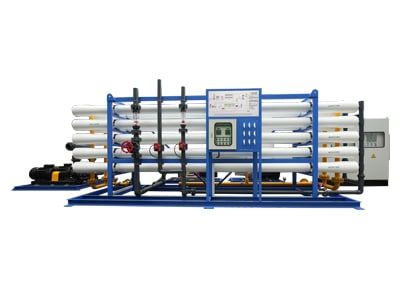
A typical reverse osmosis system includes pre-treatment steps, high-pressure pumps, membrane modules, and energy recovery devices. These components work together to optimize the desalination process, minimizing energy consumption and maximizing water production.
Advancements in RO Technology
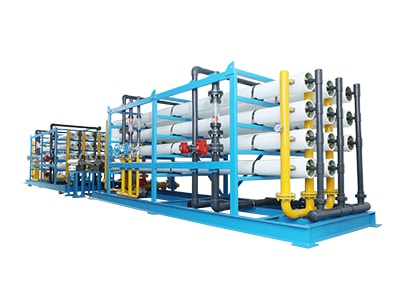
Advancements in reverse osmosis technology have significantly improved its efficiency. Modern thin-film composite membranes offer higher flux rates and salt rejection. Additionally, industrial reverse osmosis systems have been designed to handle large-scale desalination projects, further enhancing the viability of RO technology.
The improvements in RO technology have made it more economical than traditional thermal methods in many cases. With ongoing innovations, reverse osmosis is poised to continue playing a crucial role in addressing global water scarcity.
Thermal Desalination Processes in Detail
Thermal desalination stands out as a vital technology in addressing water scarcity. It involves the use of heat to vaporize seawater, which is then condensed to produce fresh water. This method is particularly effective in regions where energy is readily available and affordable.
Multi-Stage Flash Distillation (MSF)
Multi-Stage Flash Distillation is a widely used thermal desalination process. It involves heating seawater under pressure and then releasing it into a chamber where the pressure is lower, causing the water to flash into vapor. This vapor is then condensed into fresh water. MSF is known for its reliability and ability to handle large capacities.
Multiple-Effect Distillation (MED)
Multiple-Effect Distillation is another thermal desalination method that involves a series of vessels, or effects, where seawater is evaporated and then condensed to produce fresh water. The vapor from one effect is used to heat the next, making it an energy-efficient process. MED is particularly suited for applications where a high purity of water is required.
Vapor Compression Distillation (VCD)
Vapor Compression Distillation is a thermal desalination process particularly suited for small to medium-scale applications. In VCD systems, water vapor is compressed, raising its temperature and pressure, which allows it to serve as the heat source for evaporating additional seawater. VCD plants are compact, have relatively low capital costs, and can achieve good energy efficiency.
Hybrid Desalination Systems
In the quest for more efficient desalination methods, hybrid systems have emerged as a promising solution. Hybrid desalination combines thermal and membrane processes, often operated in conjunction with a power generation facility, representing a significant advancement in water treatment technology.
Combining Thermal and Membrane Processes
Hybrid systems integrate different desalination technologies to leverage their respective advantages. By combining thermal processes like Multi-Stage Flash Distillation (MSF) or Multiple-Effect Distillation (MED) with membrane-based methods such as Reverse Osmosis (RO), these systems can optimize performance based on varying operational conditions.
Benefits of Hybrid Systems
Hybrid desalination systems offer several benefits, including enhanced operational flexibility, higher water recovery rates, and optimized energy efficiency. According to industry insights, these systems can adjust production based on energy availability and costs, potentially reducing overall energy consumption. For more information on hybrid desalination. The product water quality can be tailored by blending outputs from different processes, and capital costs may be reduced through shared infrastructure. Overall, hybrid systems represent a forward-thinking approach to desalination, enhancing both water quality and energy efficiency.
Energy Requirements and Efficiency in Desalination
Energy efficiency in desalination has improved substantially with technological advancements. As the demand for fresh water continues to grow, the need to optimize desalination processes becomes increasingly important.
Energy Consumption Across Different Methods
Different desalination methods have varying energy requirements. For instance, reverse osmosis is generally more energy-efficient than traditional thermal methods. The energy consumption of a desalination plant depends on several factors, including the technology used and the salinity of the input water.
Renewable Energy Integration
Integrating renewable energy sources into desalination processes is a promising approach to reduce reliance on fossil fuels. Solar and wind power can be used to generate electricity for desalination plants, making the process more sustainable.
Improving Energy Efficiency
Technological innovations have driven improvements in energy efficiency across all aspects of desalination plant design and operation. Advances such as pressure exchangers, energy recovery devices, and optimized membrane materials have significantly reduced energy consumption. For example, energy recovery devices can capture and reuse up to 98% of the hydraulic energy in the RO concentrate stream, dramatically reducing net energy consumption.
Environmental Considerations of Seawater Desalination
The environmental impact of seawater desalination is a critical aspect that must be evaluated to ensure sustainable water production. As we continue to rely on desalination to meet our freshwater needs, it’s essential to address the ecological challenges associated with this technology.
One of the significant environmental concerns is the disposal of the concentrated waste stream, known as brine, back into the ocean. This brine can have detrimental effects on marine ecosystems due to its high salinity and potential presence of chemicals used in the desalination process.
Brine Disposal Challenges and Solutions
Effective brine disposal is crucial to minimize the environmental footprint of desalination plants. Strategies for managing brine disposal include diluting the brine before discharge, using diffusers to disperse the concentrate, and exploring alternative uses for the brine, such as in salt production or aquaculture.
Minimizing Ecological Impact
Minimizing the ecological impact of seawater desalination also involves careful consideration of intake design to reduce harm to marine life. Subsurface intakes, such as beach wells or infiltration galleries, offer a lower environmental footprint by reducing entrainment and impingement of marine organisms. For more information on our desalination solutions, visit our page on ocean water desalination plants.
- Intake design is critical for minimizing ecological impacts, with subsurface intakes offering the lowest environmental footprint.
- Chemical usage in pretreatment and cleaning processes must be carefully managed to prevent harmful discharges.
- Energy-related environmental impacts can be substantially reduced through renewable energy integration and efficiency improvements.
Economic Aspects of Desalination Projects
The economic viability of desalination projects is a critical factor in their implementation and success. As we continue to rely on desalination as a solution to global water scarcity, understanding its economic aspects becomes increasingly important.
Capital and Operational Costs
Desalination projects involve significant capital and operational costs. The initial investment includes the cost of equipment, land acquisition, and construction. Operational costs primarily consist of energy consumption, maintenance, and labor. According to recent data, the costs associated with desalination continue to decline as technological efficiency improves.
Factors Affecting Desalination Economics
Several factors influence the economics of desalination. These include technological advancements, energy costs, and the scale of the project. For instance, innovations in membrane technology have significantly reduced costs. Energy efficiency improvements also play a crucial role in lowering operational costs.
Cost Trends and Future Projections
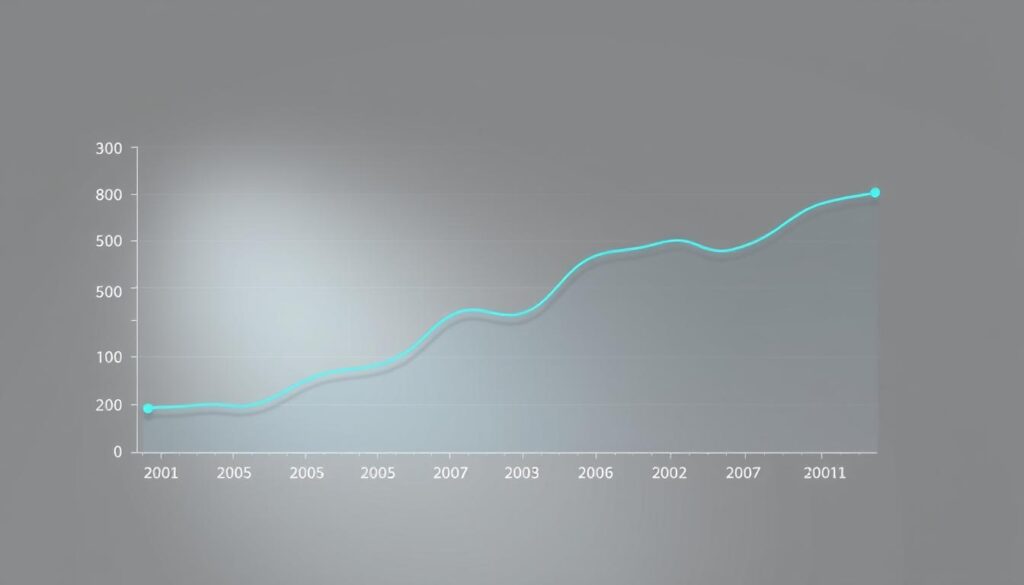
The cost of desalination has decreased substantially over the past three decades. Seawater reverse osmosis (RO) costs have fallen by more than 60% since the 1990s. We can expect continued moderate declines in costs due to ongoing technological innovations and increased competition among technology providers.
Case Studies: Successful Desalination Projects Worldwide
The world is witnessing a significant increase in desalination projects to address the growing need for fresh water. Here, we will explore some successful case studies that highlight the effectiveness of desalination in addressing water scarcity.
### Middle East Desalination Achievements
The Middle East has been at the forefront of desalination technology, with countries like Saudi Arabia and the UAE investing heavily in desalination plants. The Ras Al Khair Desalination Plant in Saudi Arabia, for example, is one of the largest desalination plants in the world, producing 1.025 million cubic meters of fresh water per day.
### Australian Desalination Initiatives
Australia has also been a pioneer in desalination, with the construction of large-scale desalination plants to address the country’s recurring water shortages. The Victorian Desalination Plant in Australia, for instance, has a capacity of 150 billion liters per year and provides a reliable source of fresh water for the state of Victoria.
### American Desalination Developments
In the United States, desalination plants are becoming increasingly important, particularly in coastal regions where access to fresh water is limited. The Claude “Bud” Lewis Carlsbad Desalination Plant in California is a notable example, producing 50 million gallons of fresh water per day.
### Successful Desalination Projects
Some of the key factors that contribute to the success of desalination projects include:
* Advanced Technology: The use of advanced technologies such as reverse osmosis and multi-stage flash distillation has improved the efficiency and effectiveness of desalination plants.
* Sustainable Practices: Many modern desalination plants are designed with sustainability in mind, incorporating features such as renewable energy sources and minimizing environmental impact.
* Community Engagement: Successful desalination projects often involve close collaboration with local communities, ensuring that their needs and concerns are addressed.
By examining these case studies, we can gain a deeper understanding of the role that desalination can play in addressing the global water crisis.
Portable and Small-Scale Desalination Solutions
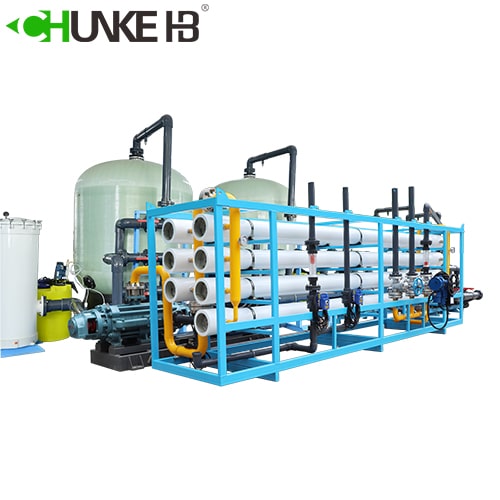
Portable and small-scale desalination systems are revolutionizing the way we access clean drinking water in remote and resource-limited areas. These systems provide a reliable source of fresh water, crucial for communities without access to centralized water infrastructure.
Emerging Technologies for Portable Desalination
Advancements in desalination technology have led to the development of portable systems that are efficient, user-friendly, and low-maintenance. These systems utilize innovative methods such as reverse osmosis and other membrane-based technologies to produce clean drinking water from seawater or brackish water sources.
Applications in Remote and Disaster-Affected Areas
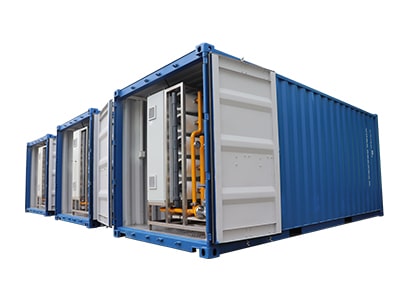
Portable desalination systems have various applications, including providing critical water security for remote communities, disaster response scenarios, and military operations. They can be rapidly deployed to areas affected by natural disasters, where normal water supplies are compromised. Humanitarian organizations are increasingly incorporating these systems into their emergency response capabilities. For more information on large-scale water purification systems, visit Chunke Water Treatment’s website.
The key benefits of portable desalination systems include: – Providing critical water security for remote communities without access to centralized water infrastructure. – Offering life-saving drinking water in disaster response scenarios. – Reducing logistical burdens for military operations by enabling troops to produce potable water from available sources. – Being increasingly used by humanitarian organizations in emergency response situations. – Requiring user-friendly and low-maintenance designs for effective operation in challenging environments.
Implementing a Seawater Desalination Project
Implementing a Comprehensive Desalination Project: A Step-by-Step Guide
Desalination is a vital process for providing fresh water in coastal areas where access to clean drinking water is limited. In this section, we will outline the key steps involved in implementing a comprehensive desalination project.
Step 1: Planning and Feasibility Study
The first step in implementing a desalination project is to conduct a thorough feasibility study. This involves assessing the demand for fresh water, the availability of seawater, and the environmental impact of the project. A detailed analysis of the site conditions, including the geology, hydrology, and ecology, is also necessary.
Step 2: Design and Engineering
Once the feasibility study is complete, the next step is to design and engineer the desalination plant. This involves selecting the most suitable technology, such as reverse osmosis or multi-stage flash distillation, and designing the plant’s layout and infrastructure.
Step 3: Permitting and Approvals
Before construction can begin, the project must obtain the necessary permits and approvals from regulatory authorities. This includes environmental impact assessments, water permits, and other necessary permits.
Step 4: Construction and Installation
The construction and installation phase involves building the desalination plant, including the intake and outfall structures, the treatment process, and the storage and distribution systems.
Step 5: Commissioning and Testing
Once the plant is built, it must be commissioned and tested to ensure that it is operating as designed. This involves conducting a series of tests to verify the plant’s performance and identify any issues that need to be addressed.
Step 6: Operation and Maintenance
The final step is to operate and maintain the desalination plant. This involves monitoring the plant’s performance, performing routine maintenance, and making any necessary repairs.
By following these steps, a comprehensive desalination project can be implemented to provide a reliable source of fresh water for communities in need.
Chunke Water Treatment's Approach to Seawater Desalination
Chunke Water Treatment’s expertise in seawater desalination is driven by a commitment to quality and innovation. Our approach to water treatment involves utilizing advanced technologies to provide efficient and effective solutions.
Our Expertise in Reverse Osmosis Systems
We specialize in reverse osmosis systems, a proven method for desalination. Our expertise ensures that our systems are designed to deliver high-quality water while minimizing energy consumption.
Customized Solutions for Different Water Challenges
At Chunke Water Treatment, we understand that different regions face unique water challenges. Our team provides customized solutions tailored to meet specific needs, ensuring that our clients receive the most appropriate water treatment systems.
Quality Assurance and Support Services
We maintain rigorous quality assurance processes throughout our manufacturing and installation phases. Our comprehensive support services include regular maintenance visits, remote monitoring, and operator training programs to ensure optimal system performance.
For more information on our seawater desalination solutions or to discuss your specific needs, please email us or visit our website at www.chunkewatertreatment.com.
Future Trends in Seawater Desalination Technology
Innovations in desalination are paving the way for a more sustainable water future. As we continue to push the boundaries of what’s possible, new technologies are emerging that promise to revolutionize the industry.
Nanotechnology and Advanced Materials
The integration of nanotechnology and advanced materials is set to significantly improve desalination efficiency. Emerging technologies include nanotubes, advanced electrodialysis membranes, and biomimetic membranes, which could potentially result in large improvements in water production.
AI and Automation in Desalination Plants
The incorporation of AI and automation is enhancing the operational efficiency of desalination plants. These technologies enable real-time monitoring, predictive maintenance, and optimized energy consumption, leading to reduced operational costs and improved water quality.
Sustainable Desalination Approaches
Sustainability is becoming a core focus in desalination. Approaches such as renewable energy integration, zero liquid discharge (ZLD), and minimal liquid discharge (MLD) are gaining traction. These methods not only reduce the environmental impact but also transform brine management into a potential resource recovery opportunity.
Conclusion: Securing Our Water Future Through Desalination
With its ability to provide a consistent water supply, desalination is becoming crucial in securing our water future. Seawater desalination has evolved into a mainstream water supply option, providing security for millions worldwide. As climate change intensifies, desalination offers a climate-resilient source independent of rainfall patterns. At Chunke Water Treatment, we advance technology through innovation, addressing unique water challenges. The future of global water security depends on a diversified approach, including desalination, conservation, reuse, and traditional freshwater resources management.