
Seawater to Drinjing Water: At Chunke Water Treatment, we focus on creating water treatment systems. We aim to solve global water problems, mainly in dry and coastal areas.
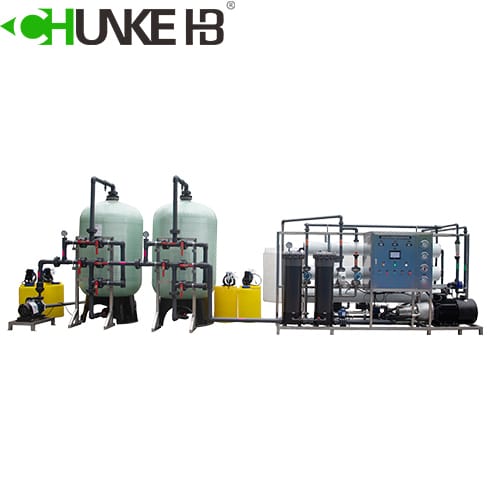
Chunke desalination technology. Our Reverse Osmosis Systems make seawater into drinking water well.
The desalination process is key to solving water scarcity. Our advanced tech offers dependable and green solutions for projects in the US and abroad. This ensures everyone has access to clean drinking water.
4000 LPH Seawater Desalination RO System
| Model No. | Permeate (GPD) | Permeate (m³/day) | Membrane Size | Membrane Qty | Motor kW (60 Hz) | Motor kW (50 Hz) | Approx. Weight (kg) | Dimensions (L×W×H) |
| CK-SW-4000L/H | 25.000 | 100 | 8″ × 40″ | 6 | 37 | 37 | 4000 | 260 × 85 × 170 |
This 100 m³ per day SWRO (Seawater Reverse Osmosis) system is designed to efficiently convert seawater to drinking water that meets international potable water standards. The system removes dissolved salts, bacteria, organic matter, and heavy metals through advanced pretreatment and high-pressure reverse osmosis membranes.
Using imported SWRO membranes and a high-efficiency seawater high-pressure pump, the system achieves a salt rejection rate of up to 98–99%, producing stable, low-TDS freshwater suitable for drinking, domestic use, resorts, islands, and coastal communities. Automatic PLC control, online conductivity monitoring, and a CIP cleaning system ensure reliable operation, long membrane life, and low maintenance cost.
This compact and energy-efficient solution provides a safe, continuous, and sustainable way to transform seawater to drinking water in remote or water-scarce coastal areas.
The Global Water Crisis and the Need for Innovative Solutions
The world is facing a growing water crisis. This crisis affects millions, hitting coastal communities hard. They struggle to find fresh water.
Growing Water Scarcity Worldwide
Water scarcity is a big problem worldwide. Freshwater production is moving deep beneath the sea in some places. It’s caused by population growth, climate change, and bad water management.
Coastal Communities and Their Unique Challenges
Coastal areas have special challenges. They’re close to seawater, which isn’t safe to drink or use for irrigation without treatment.
Access Issues in Developing Regions
In developing areas, clean water is hard to get. This is because of a lack of infrastructure and resources. It causes health and economic problems for the people there.
Economic Impact of Water Shortages
Water shortages hurt the economy a lot. They affect farming, manufacturing, and tourism. For example, they can reduce crop yields, increase costs, and lower income.
| Region | Water Scarcity Level | Impact on Communities |
| Coastal Areas | High | Limited access to fresh water, increased reliance on desalination |
| Inland Regions | Moderate | Water management challenges, potential for increased scarcity |
| Developing Regions | Severe | Significant health and economic challenges due to lack of access to clean water |
At Chunke Water Treatment, we see the urgent need for new solutions to the water crisis. You can reach us at +8616616636489, visit our website at www.swro-plant.com, or follow us on Facebook, Instagram, and Email: david@swro-plant.com.
The Science of Seawater to Drinking Water Conversion
Desalination is key to meeting the world’s growing water needs. It removes salt from seawater. Knowing how it works is vital.
Understanding Desalination Fundamentals
Desalination removes salts and minerals from seawater to make freshwater. This makes seawater drinkable. There are many ways to do this, like thermal distillation and membrane-based technologies.
Membrane Technology
Membrane technology, like reverse osmosis desalination, is a top choice. It uses pressure to push water through a membrane. This leaves salts and other stuff behind.
Thermal Distillation Methods
Thermal distillation heats seawater to make steam. This steam is then cooled to make freshwater. It’s energy-heavy but works well.
Membrane-Based Technologies
Membrane-based tech, like reverse osmosis, uses special membranes. These membranes block salt and contaminants. It’s a top pick for many plants.
| Desalination Method | Energy Consumption | Efficiency |
| Thermal Distillation | High | Effective for high-salinity water |
| Reverse Osmosis | Moderate to High | Highly efficient for seawater |
In conclusion, turning seawater into drinking water is complex. It involves many technologies. Understanding these is key to making desalination efficient and sustainable.
Reverse Osmosis: The Leading Technology in Seawater Desalination
Reverse osmosis is a top choice for turning seawater into drinkable water. It’s known worldwide for its ability to remove salts and other harmful substances. This makes seawater safe to drink.
How Reverse Osmosis Works
Reverse osmosis uses a special membrane to clean water. It pushes seawater through the membrane, keeping out salt and other bad stuff.
Membrane Technology Explained
The heart of reverse osmosis is the semi-permeable membrane. It lets water molecules through but blocks salt and other big particles. The membrane’s design and material are key to its success.
Pressure and Flow Dynamics
The Chunke device uses high pressure to clean seawater. It builds up to 60 bars of pressure to remove salts. The right pressure and flow are essential for effective desalination.
Advantages Over Traditional Filtration Methods
Reverse osmosis is better than old methods in many ways. It’s more efficient at removing contaminants, uses less energy, and can make water from different sources safe to drink.
Key Components of an RO System
An RO system has a few main parts: the membrane, high-pressure pumps, and pre-treatment systems. The pre-treatment systems protect the membrane from damage. This keeps the system working well for a long time.
Understanding reverse osmosis helps us see how it tackles water shortages worldwide.
Chunke Water Treatment: Pioneering Water Purification Solutions
Chunke Water Treatment leads in water purification tech, offering new solutions worldwide. We have a solid base in engineering expertise. This lets us create a wide range of water treatment systems for different needs.
Our Engineering Expertise and Global Experience
Our team is full of experts in water treatment. They’ve worked on many projects around the world. This helps us understand and solve unique challenges in different places.
Some key parts of our engineering skills include:
- Designing efficient water treatment processes
- Implementing advanced technologies for purification
- Ensuring compliance with international water quality standards
Manufacturing Facilities in Guangzhou, China
We have top-notch manufacturing in Guangzhou, China. This lets us make high-quality water treatment systems. We use the latest techniques and strict quality checks to meet the highest standards.
Comprehensive Range of Water Treatment Systems
At Chunke Water Treatment, we have a wide range of water treatment systems. These include reverse osmosis, ultrafiltration, and electrodeionization systems. Our systems are efficient, reliable, and fit many water sources and needs.
We mix our engineering expertise with deep knowledge of water treatment tech. This way, we keep leading in solving global water purification problems.
Advanced Reverse Osmosis Plant Design and Implementation
Our advanced reverse osmosis plant design is changing the game in ocean desalination. It brings clean drinking water to communities all over the world. We focus on innovation and efficiency, creating a detailed approach to reverse osmosis technology. This meets the complex needs of different water sources.
Understanding Our Reverse Osmosis Plant Diagram
A typical reverse osmosis plant diagram has several key stages. Our system boosts water production while cutting down on energy use.
Intake and Pre-treatment Stages
The first step is the intake stage, where seawater is drawn in. The pre-treatment stage follows, removing big particles and contaminants. This keeps our membranes working well.
Core RO Process Components
The heart of our system is the reverse osmosis membrane. Here, desalination happens. Our membranes let water molecules through while blocking salt and impurities.
Post-treatment and Distribution
After desalination, the water gets post-treatment. This may include adding minerals and disinfection. Then, the treated water is stored and distributed to users.
Customization Options for Different Water Sources
We know each region faces unique water challenges. Our team customizes our reverse osmosis systems for seawater, brackish water, or wastewater treatment. This is based on the client’s specific needs.
Experts say, “Customization is key to maximizing reverse osmosis system efficiency.” Our flexibility in design and implementation lets us meet various water sources and client needs.
Quality Control and Testing Procedures
At Chunke Water Treatment, we follow strict quality control. Our reverse osmosis plants are tested thoroughly. They must meet international standards for water quality and system performance.
We combine advanced technology with a focus on the customer. This pushes the limits of water treatment technology. Our dedication to quality and innovation is seen in every part of our reverse osmosis plant design and implementation.
Complementary Water Treatment Technologies
Reverse osmosis is a top choice for desalination, but other technologies are key for a full water treatment plan. At Chunke Water Treatment, we know how important it is to mix different treatments for the best water quality.
Ultrafiltration Systems for Enhanced Purification
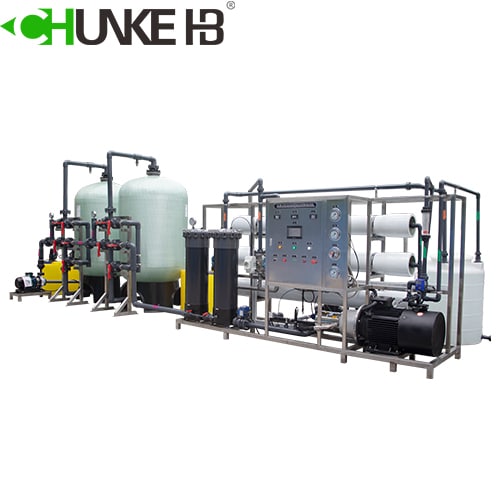
Ultrafiltration systems are vital for removing solids, pathogens, and microplastics from water. Our QuenchSea device, for example, has ultrafiltration and microfiltration built-in. This ensures water is clean before it goes through reverse osmosis.
Electrodeionization Systems for Industrial Applications
Electrodeionization (EDI) systems are great for making very pure water for industries. EDI uses ion exchange and electrodialysis to get rid of impurities. It’s a solid choice for many industrial needs.
Pre-treatment and Water Softener Systems
Pre-treatment is a must in water treatment. It keeps the reverse osmosis membranes safe from damage. Good pre-treatment can make the system last longer.
Importance of Proper Pre-treatment
Pre-treatment includes steps like coagulation, sedimentation, and filtration. It removes big particles and contaminants. This makes sure the water is ready for reverse osmosis.
Extending System Lifespan Through Proper Maintenance
Keeping systems in good shape is crucial. This means checking water quality, cleaning membranes, and replacing parts when needed. A U.S. Bureau of Reclamation report shows that regular care can cut costs and make systems last longer (Desalination and Water Purification Report).
| Treatment Technology | Function | Benefits |
| Ultrafiltration | Removes suspended solids and pathogens | Enhanced purification, improved water quality |
| Electrodeionization | Produces high-purity water for industrial use | Reliable, continuous operation, low maintenance |
| Pre-treatment | Protects RO membranes from damage | Extends system lifespan, reduces operational costs |
Applications and Benefits for US Water Infrastructure
Advanced desalination technologies can greatly improve US water infrastructure. Desalination is key to solving water scarcity in the United States.
Municipal Water Supply Solutions
Desalination offers a steady source of fresh water for cities. Saltwater desalination plants can add to existing water sources. This helps cities grow and develop.
- Enhancing water security
- Supporting population growth
- Reducing reliance on traditional water sources
Industrial and Commercial Applications
Many industries need desalination for their water. It ensures a steady supply of clean water for industrial processes.
Coastal Development Opportunities
Coastal areas can use desalination for growth. This includes:
- Tourism and hospitality industries
- Agricultural development
- Urban planning and infrastructure
Addressing Water Scarcity in Drought-Prone Regions
In dry areas, desalination is crucial. It offers a reliable municipal water supply, helping communities during droughts.
Supporting Sustainable Growth in Water-Limited Areas
Desalination helps areas with little water grow sustainably. It ensures a steady water supply, vital for development.
Case Studies: Successful Seawater to Drinking Water Projects
We’ve seen big success in our seawater desalination projects. We’ve given clean drinking water to communities in need. Our technology has been used in many case studies, showing it works well in different situations.
Large-Scale Municipal Implementations
One big project was in a coastal city. We used our seawater reverse osmosis technology to give the city reliable drinking water.
| Project Location | Capacity | Technology Used |
| Coastal City | 10 MLD | Seawater Reverse Osmosis |
| Industrial Zone | 5 MLD | Ultrafiltration + RO |
Industrial Water Treatment Solutions
Our technology works well in industrial settings too. For example, a manufacturing plant used our ultrafiltration and reverse osmosis systems for their water needs.
Emergency Response and Disaster Relief Applications
Our systems are very useful in emergencies. We’ve sent our seawater desalination units to help after natural disasters. They’ve provided emergency drinking water to affected areas.
Rapid Deployment Capabilities
We can quickly set up our systems in emergency situations. This quick setup helps communities get the water they need fast.
Measured Impact on Communities
We measure our project success in many ways. We look at how many people we help and how much water quality improves. The results are always positive for the communities we serve.
Conclusion: Partnering with Chunke for Sustainable Water Solutions
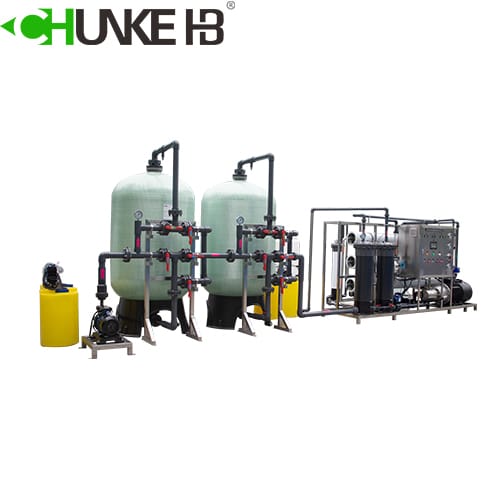
The global water crisis is growing, and we need new solutions fast. Chunke Water Treatment is here to help. We offer top-notch water treatment systems, like desalinators for seawater, to communities everywhere.
Our reverse osmosis technology turns seawater into drinkable water. This is a big help for coastal areas. By working with us, cities and businesses can get custom water treatment plans.
We make our products in Guangzhou, China, with the highest quality. We’re a reliable partner for water treatment systems. Let’s work together to find sustainable water solutions for our changing world.