
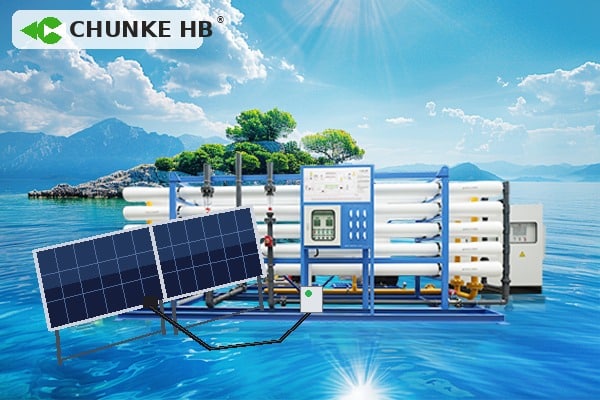
What Is a Solar Seawater Desalination System?
A solar seawater desalination system combines two proven technologies into one package. First, solar panels capture sunlight and produce electricity. Next, that electricity powers a seawater reverse osmosis (SWRO) unit, which pushes seawater through a semi-permeable membrane and separates the salt from the water. As a result, you get fresh water on one side and concentrated brine on the other. The salt stays behind, meanwhile the clean water flows out ready for drinking, cooking, irrigation, or industrial use.
The idea is simple, yet the engineering must stay precise. Seawater contains about 35,000 mg/L of dissolved salts, so the membrane needs high pressure — usually 55 to 70 bar — to force pure water through. Therefore the system depends on a strong, efficient power source. Solar energy supplies that power cleanly, so the owner avoids fuel bills and noisy generators. We at Chunke Water Treatment match the solar array, the battery bank, and the RO unit carefully, hence each system delivers its rated output even on cloudy afternoons.
Why Choose Solar Power for Seawater Desalination?
Diesel generators have powered remote desalination units for decades, yet they bring real problems. Fuel costs keep rising, supply trucks cannot always reach an island, and engines need constant service. Solar power removes most of these headaches. So let us look at the main reasons owners switch.
1. You Cut Energy Costs Dramatically
Energy is the single biggest operating cost in any desalination plant. Sunlight, however, costs nothing once you install the panels. Consequently, a solar seawater desalination system pays back its extra cost within a few years and then produces water at a very low running cost. For a remote resort that currently burns diesel, the savings often reach thousands of dollars every month.
2. You Reach Places the Grid Cannot
Islands, offshore sites, desert coasts, and small villages rarely enjoy reliable grid power. Solar panels work anywhere the sun shines, so you can place a complete water plant exactly where people need it. Moreover, you avoid the huge cost of laying power cables or building a fuel depot.
3. You Run Clean and Quiet
Solar power produces no smoke, no fumes, and almost no noise. Therefore a hotel can install the system close to guest areas without complaints. Besides, the system lowers your carbon footprint, which helps eco-resorts and government projects meet their green targets.
4. You Gain Energy Independence
When you own your power source, you control your water supply. Fuel shortages, price spikes, and delivery delays no longer threaten your operation. Thus a solar seawater desalination system gives communities and businesses true self-reliance.
How Does a Solar Seawater Desalination System Work?
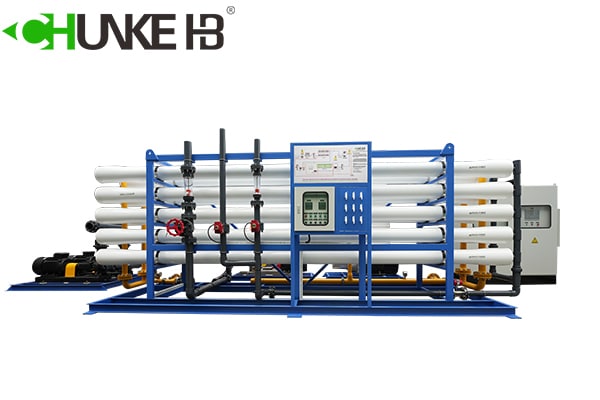
The process follows a clear, logical path. Each stage prepares the water for the next, so the membrane stays protected and the system lasts longer. Let us walk through it step by step.
Step 1: Solar Power Generation
Photovoltaic panels convert sunlight into direct-current electricity. An inverter then changes this into the alternating current that the pumps and controls need. During strong sunlight, the panels also charge a battery bank or feed an energy-storage unit, so the plant keeps running when clouds pass or the sun sets.
Step 2: Seawater Intake and Pretreatment
The intake pump draws raw seawater from a beach well or an open intake. Pretreatment then removes sand, algae, and fine particles. Typically we use a sand filter, a cartridge filter, and a chemical dosing line. Good pretreatment matters a great deal, because clean feed water protects the expensive membranes and extends their life. For larger or dirtier sources, we often add a seawater ultrafiltration system to guarantee crystal-clear feed.
Step 3: High-Pressure Pumping
Next, a high-pressure pump raises the seawater to the pressure the membrane needs. This stage uses the most energy, so we select efficient pumps that match the solar supply. We often fit a reliable high-pressure pump from a trusted brand to keep performance steady year after year.
Step 4: Reverse Osmosis Separation
The pressurized seawater enters the RO membranes. There, the membrane lets pure water pass while it blocks salt, bacteria, and other contaminants. We build our units with premium seawater RO membrane elements, hence the system removes more than 99% of dissolved salts in a single pass. You can read more about our membrane choices on our seawater reverse osmosis membrane page.
Step 5: Energy Recovery
The brine still carries high pressure when it leaves the membrane, so throwing it away wastes energy. Instead, an energy recovery device captures that pressure and returns it to the feed stream. As a result, the system uses far less power, which matters enormously when solar panels supply every watt. We use a proven energy recovery device and explain the technology on our energy recovery devices page.
Step 6: Post-Treatment and Storage
Finally, the fresh water passes through remineralization and disinfection. This step adds healthy minerals and makes the water taste good and safe to drink. The system then stores the water in a tank, so users always have a buffer ready. Meanwhile, the smart controller monitors flow, pressure, and water quality around the clock.
Key Components of a Solar Seawater Desalination System
Every reliable system rests on a few core parts. When you understand them, you can compare suppliers and judge quality with confidence. So here is what really matters.
Solar Panels and Energy Storage
High-efficiency photovoltaic panels form the heart of the power supply. A battery bank or hybrid energy-storage unit then keeps the plant stable during low sunlight. We size both together with the water demand, so the system never starves the pumps mid-cycle.
High-Pressure Pump
The pump drives the whole reverse osmosis process, therefore its efficiency decides your energy bill. We choose pumps built for continuous seawater duty. You can explore our pump options on the seawater desalination pump page.
RO Membranes
The membranes do the actual salt removal, so their quality controls your water output and purity. We work with global membrane leaders, and we always match the element type to the local seawater conditions.
Energy Recovery Device
This component recycles pressure and slashes power use, hence it is essential for any solar-driven plant. A good recovery device can cut energy demand by up to 60%.
PLC Control System and HMI
A smart controller runs the plant automatically and protects it from faults. We program a reliable PLC control system with a clear touchscreen, so even a non-technical operator can start, stop, and monitor the plant easily. Learn more on our control system for SWRO plant page.
Solar vs. Diesel Desalination: A Clear Comparison
Owners often weigh solar against diesel before they decide. Both can power a desalination plant, yet the long-term picture differs sharply. The table below lays out the main points.
| Factor | Solar Seawater Desalination | Diesel Seawater Desalination |
|---|---|---|
| Running cost | Very low after install | High and rising fuel cost |
| Fuel supply | None needed | Constant deliveries required |
| Noise and fumes | Almost none | Loud and polluting |
| Maintenance | Low | Frequent engine service |
| Carbon footprint | Minimal | High |
| Best fit | Remote, off-grid, sunny sites | Short-term or backup use |
The numbers speak clearly. Diesel may cost less to buy at first, yet it punishes the owner every month afterward. Solar costs more upfront, so the savings build steadily and the system soon pays for itself. Therefore most remote projects now lean toward solar, especially where sunlight is strong all year.
How Much Does a Solar Seawater Desalination System Cost?
Cost is always the first question, and the honest answer is: it depends. Several factors shape the final price, so let us look at the main drivers.
The water capacity matters most. A small system that makes 1,000 liters per day for a single family costs far less than a plant that supplies 50,000 liters per day for a resort. Next, the salinity and quality of your seawater affect the membrane count and the pump size. The size of the solar array and battery bank also adds cost, because a larger storage system keeps the plant running longer without sun. Finally, your location influences shipping, installation, and after-sales support.
As a rough guide, a complete solar seawater desalination system usually costs more upfront than a diesel unit of the same size, yet it returns that money through years of low-cost water. For a detailed breakdown of pricing logic, see our guide on seawater desalination plant cost. Better still, send us your daily water demand and your site details, so we can prepare an exact quotation for your project.
Where Do Solar Seawater Desalination Systems Work Best?
This technology shines in any place that combines strong sunlight, salty water, and weak grid power. So here are the most common applications we serve.
Islands and Resorts
Islands face the toughest water challenge, because they have no rivers and no reliable grid. A solar system solves both problems at once. For tourist resorts, it also delivers a green story that guests love. Our island seawater desalination system page shows how we tailor units for island life.
Coastal Villages and Communities
Many coastal villages still walk long distances for clean water. A solar plant gives them a steady local supply, hence it improves health and frees up time for work and school.
Agriculture and Aquaculture
Farms near the coast can use desalinated water for irrigation and livestock. As a result, they grow crops where salty groundwater once made farming impossible.
Marine and Offshore Use
Ships, platforms, and remote stations need fresh water far from any shore supply. Solar-assisted units keep these operations running without constant fuel runs.
Why Choose Chunke for Your Solar Seawater Desalination System?
Chunke Water Treatment has built water systems since 2009, so we bring real depth of experience to every project. We have completed more than 1,000 projects in over 100 countries, and we design each system around the customer’s exact site, water source, and budget. Hence you never receive a generic box — you receive a system that fits your reality.
We control quality from start to finish. We build our own filter tanks, cartridge housings, and skids in-house, and we test every unit before it leaves the factory. Moreover, we pair top global components — premium membranes, efficient pumps, smart controls — with smart engineering, so the finished plant runs reliably for years. For a wider view of our capabilities, visit our main site at Chunke Water Treatment and our dedicated reverse osmosis water plant portal.
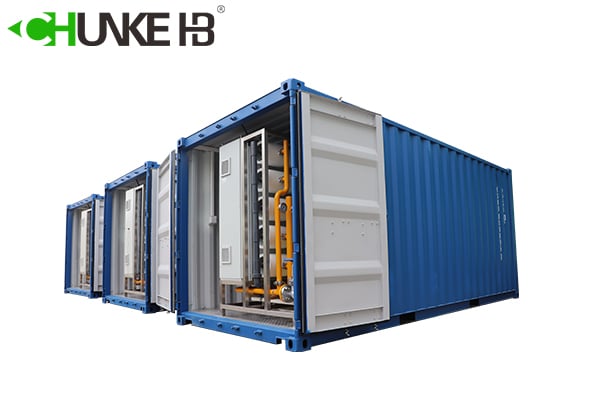
We also support you after the sale. We supply clear manuals, remote guidance, and spare parts, so your team can operate the plant with confidence. Many customers start with one unit and then order more, which tells us our systems earn their trust. If you want a compact, ready-to-run option, ask about our containerized seawater desalination plant, which ships as a plug-and-play package.
Maintenance Tips for a Long-Lasting Solar Desalination System
A good system rewards a little care. So follow these simple habits, and your plant will serve you for many years.
First, keep the solar panels clean. Dust and salt spray block sunlight, so a quick rinse every week keeps power output high. Next, check and replace the pretreatment filters on schedule, because clean filters protect the membranes. Meanwhile, watch the membrane pressure and water quality on the HMI; a sudden change warns you early about fouling or scaling. Then clean the membranes when the readings tell you to, rather than waiting for trouble. Finally, inspect the pump and the energy recovery device during routine service, so small issues never grow into big failures.
These steps cost very little time, yet they protect a valuable asset. Thus regular maintenance keeps your water flowing and your running costs low.
Frequently Asked Questions
Can a solar seawater desalination system run 24 hours a day?
Yes. With a properly sized battery bank or energy-storage unit, the plant runs day and night. Alternatively, some owners run the plant mainly during sunny hours and store the fresh water in a tank, so they avoid the cost of large batteries.
How long do the solar panels and membranes last?
Quality solar panels last 25 years or more, while seawater RO membranes typically last 3 to 5 years with good pretreatment. Therefore the long-term cost of ownership stays very reasonable.
Is solar-desalinated water safe to drink?
Absolutely. The RO membrane removes salts, bacteria, and contaminants, and the post-treatment stage adds minerals and disinfection. As a result, the water meets drinking-water standards.
Can you upgrade an existing diesel plant to solar?
Often, yes. We can review your current setup and add a solar array with energy storage, so you cut fuel use without replacing the whole plant.
Get a Free Quote for Your Solar Seawater Desalination System
A solar seawater desalination system gives you clean water, low running costs, and real independence from fuel and the grid. Whether you run a resort, manage an island community, or operate a coastal farm, Chunke can design the right system for you. So tell us your daily water demand, your seawater source, and your location, and our engineers will prepare a tailored solution.
Fill in the form below, and our team will contact you within 24 hours. We answer fast, because we know your project cannot wait.
